
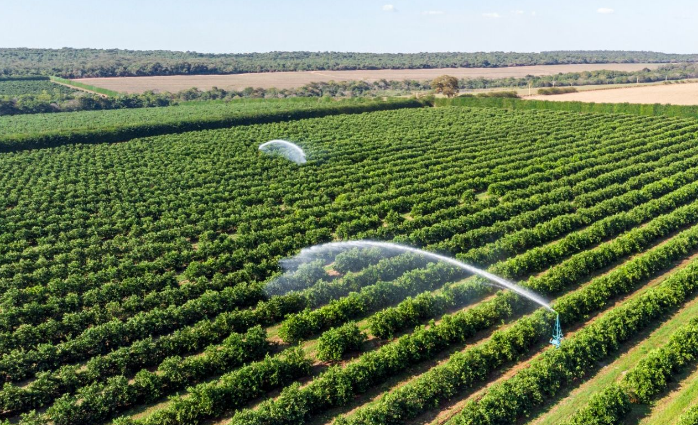
As farmers, we’re always looking for ways to improve our agricultural practices and achieve better results. One of the key factors that contribute to the success of any farm is efficiency. By maximizing our farm efficiency, we can streamline our processes, reduce waste, and ultimately increase our yields.
In this section, we will explore various tips and strategies that can help us enhance our farm efficiency, productivity, and ultimately increase our yields. By implementing these recommendations, we can transform our agricultural practices for better results.
Whether it’s through efficient resource management, streamlined processes, or the utilization of modern technology, there are several ways we can improve our farm efficiency and boost productivity. By adopting effective farming practices such as crop rotation, soil health management, precision agriculture, and integrated pest management, we can also maximize our yields.
So, let’s dive in and explore these strategies in more detail. By following these tips, we can optimize our farm operations and achieve higher levels of efficiency and productivity. Let’s get started!
Strategies for Improving Farm Efficiency and Productivity
As farmers, we are always looking for ways to improve our farm efficiency and productivity. Implementing the right strategies can help us achieve these goals. Here are some practical tips that you can use to improve your farm’s performance:
1. Efficient Resource Management
One of the most important aspects of farm efficiency is resource management. By managing resources such as water, energy, and fertilizers efficiently, you can reduce wastage and improve productivity. To achieve this, consider:
- Using drip irrigation systems to reduce water usage
- Installing solar panels to minimize energy costs
- Implementing precision agriculture techniques to optimize fertilizer application
2. Streamlined Processes
Streamlining processes on your farm can help you save time and improve efficiency. Consider:
- Automating repetitive tasks using machines and technology to save time
- Creating a schedule to prioritize tasks and ensure timely completion
- Maintaining regular equipment maintenance to avoid breakdowns and downtime
3. Utilization of Modern Technology
Modern technology can be a game-changer when it comes to improving farm efficiency and productivity. Consider implementing:
| Technology | Description |
|---|---|
| Drones | Can provide aerial images of your farm to help monitor crop health and improve productivity |
| GPS Software | Can help you track and manage equipment and personnel efficiently |
| Mobile Apps | Can help you manage farm tasks, maintain records, and connect with suppliers and buyers |
By incorporating these modern technologies into your farm operations, you can improve efficiency and productivity, and ultimately, increase your yields.
Final Thoughts
Improving farm efficiency and productivity requires continuous effort and a willingness to implement change. By adopting these strategies and making the most of modern technology, you can optimize your farm operations and achieve your desired outcomes. Remember, small changes can have a big impact, so don’t wait to start implementing these tips!
Maximizing Yields through Effective Farming Practices
When it comes to maximizing yields, there are various effective farming practices that farmers can adopt. By implementing these practices, you can improve your crop production, reduce wastage, and ultimately enhance your profitability.
1. Crop rotation
Crop rotation is a method of planting different crops in the same field in a planned sequence, over a period of years. This practice helps to maintain soil health, improve soil structure, and reduce pests and diseases. It also enhances nutrient availability, as different crops have different nutrient requirements.
2. Soil health management
Soil is a vital component of agriculture, and maintaining good soil health is crucial for maximizing yields. Farmers can adopt practices such as cover cropping, reduced tillage, and applying organic matter to improve soil health. These practices enhance soil structure, promote nutrient cycling, and increase water-holding capacity.
3. Precision agriculture
Precision agriculture is an innovative approach that utilizes technology such as GPS, sensors, and drones to optimize farm management. This technology can help farmers to precisely monitor crop growth, identify areas that need attention, and apply inputs such as fertilizers and pesticides in a targeted manner. This results in more efficient use of resources and better yields.
4. Integrated pest management
Integrated pest management is an approach that aims to control pests using a combination of techniques such as biological, physical, and chemical control methods. This approach is based on monitoring pest populations, and applying control measures only when necessary. By implementing integrated pest management, farmers can reduce the use of pesticides and save costs.
By adopting these effective farming practices, farmers can maximize their yields and improve the health of their soil. It is important to note that these practices should be contextualized based on the farm’s specific requirements and location.
Conclusion
We hope that the tips and strategies shared in this article have been useful in helping you boost your farm’s efficiency, productivity, and yields. By adopting these recommendations, you can optimize your agricultural operations and achieve better results. Remember to prioritize efficient resource management, streamline your processes, and embrace modern technologies.
It’s important to keep in mind that the agricultural industry is constantly evolving, with new innovations and advancements shaping the way we farm. By staying updated with the latest trends and best practices, you can position yourself for long-term success and sustainability.
Thank you for taking the time to read this article. We wish you all the best in your farming endeavors, and may your harvests be bountiful.