
Are you passionate about spices and ready to turn your love into a business? Starting a spices business can seem daunting, but with proper guidance, you can make it a reality. At our company, we are dedicated to helping aspiring entrepreneurs like you to succeed in the spice industry. In this article, we’ll provide a step-by-step guide on how to start a spices business. We’ll cover everything from understanding the spice industry to finding reliable spice merchants, and setting up your spice business. So, let’s get started!
The spice industry is vast and diverse, with opportunities for entrepreneurs to explore. Our aim is to provide you with the necessary information and tools to launch your own successful spices business. Let’s dive into the details of how you can get started.
Firstly, let’s explore the spice industry and what you need to know before getting started. We’ll discuss the spice market, the global spice trade, and the opportunities for selling wholesale spices. We’ll then move on to sourcing spices and finding reliable suppliers, before exploring the process of setting up your spice business. By the end of this guide, you’ll be well on your way to launching a successful spices business.
So, buckle up and let’s spice up your entrepreneurial dream!
Understanding the Spice Industry
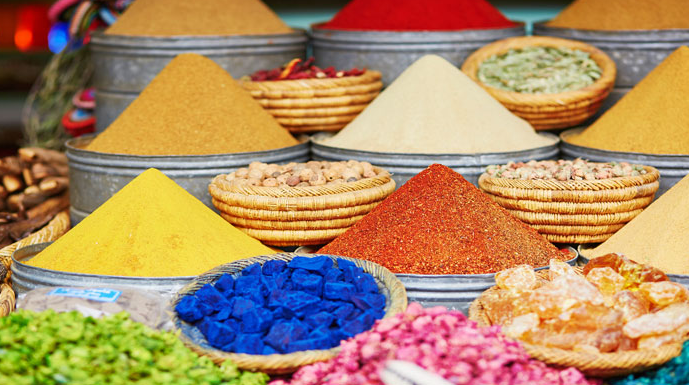
Before venturing into the spices business, it’s crucial to have a solid understanding of the spice industry. The spice market is dynamic, with different spices having varying demands and prices, affecting the spice trade worldwide.
For instance, the price of black pepper has been steadily increasing due to global supply chain disruptions, while the demand for turmeric has been on the rise with increasing health awareness.
Thus, it’s essential to keep up with the latest trends and developments in the spice market to make informed decisions on which spices to stock up on and when to purchase them.
Wholesale Spices
One way to stay competitive in the spices business is to sell wholesale spices. Buying spices in bulk from a reliable spice supplier can lower your costs and ensure a stable supply of spices. You can then package the spices in-house or work with a contract packager for bespoke packaging.
Moreover, selling wholesale spices to businesses such as restaurants or food manufacturers can be a lucrative opportunity. Offering bulk spice purchases at competitive prices can attract repeat customers and help expand your business reach.
| Benefits of Selling Wholesale Spices: | Challenges of Selling Wholesale Spices: |
|---|---|
|
|
Selling wholesale spices can be a great way to take your spice business to the next level, but it’s crucial to understand the challenges that come with it.
In the next section, we’ll guide you through the process of finding reliable spice suppliers to ensure your spices are of the highest quality.
Sourcing Spices and Finding Suppliers
Sourcing quality spices and finding reliable suppliers is crucial for the success of your business. Here are some tips to help you connect with spice distributors, exporters, and importers:
- Attend trade shows and exhibitions – these events are perfect for meeting suppliers and connecting with other industry professionals.
- Do your research – look for online directories and databases of spice suppliers and distributors. Read reviews, ask for references, and check if they have the necessary licenses and certifications.
- Connect with trade associations – organizations such as the American Spice Trade Association can provide valuable resources and connections within the industry.
- Explore international markets – consider importing spices from countries where they are grown and harvested, such as India, Indonesia, and Mexico.
When choosing a supplier, it’s important to consider factors such as pricing, quality control, shipping options, and customer service. Take your time and don’t rush into any agreements until you’re confident in your choice.
Spice Suppliers
Spice suppliers are companies that specialize in providing a wide range of spices to their customers. They typically operate on a wholesale basis, selling in large quantities to food manufacturers, restaurants, and retailers.
Spice Distributors
Spice distributors act as intermediaries between spice suppliers and end-users, such as grocery stores, online retailers, and specialty shops. They purchase spices in bulk and sell them in smaller quantities to their customers.
Spice Exporters
Spice exporters are companies that sell spices to foreign countries. They work closely with spice farmers and suppliers to ensure that the products meet the quality and safety standards of different countries.
Spice Importers
Spice importers are companies that bring in spices from other countries for domestic use. They play a crucial role in ensuring a steady supply of high-quality spices at reasonable prices.
“Finding the right spice supplier can be challenging, but it’s worth the effort to ensure the quality and taste of your products. We recommend attending trade shows and doing thorough research before making any decisions.”
By following these tips and connecting with the right spice suppliers, distributors, exporters, and importers, you’ll be well on your way to establishing a successful spices business.
Setting Up Your Spice Business
Now that we have sourced our spices from reliable suppliers, it’s time to set up our spice business. In this section, we’ll take you through the key aspects to consider when starting a spice business, including legal requirements, branding, packaging, and pricing strategies.
1. Legal Requirements
First and foremost, it’s essential to comply with legal requirements and regulations when setting up your spice business. This includes obtaining necessary licenses, registering your business, and complying with food safety and labeling regulations. Be sure to research and understand the local and state laws relevant to your business before launching.
2. Branding
Branding is an important aspect of any business, and your spice business is no exception. You may want to consider creating an eye-catching logo, catchy tagline, and unique packaging to help your products stand out on shelves. Take time to research your target audience and competitors to identify what will resonate with your customers.
3. Packaging
The packaging of your spices is crucial in attracting customers and generating sales. You should consider factors such as packaging materials, product appearance, and labeling. Remember to comply with food safety and labeling requirements to avoid any legal issues. Investing in high-quality packaging will add value to your product and help differentiate it from others on the market.
4. Pricing Strategies
When deciding on a pricing strategy for your spice business, consider your costs, target market, and competition. You may want to offer competitive pricing or create premium products that justify a higher price point. It’s essential to evaluate your costs and set prices that allow you to make a profit while remaining competitive in the marketplace.
5. Selling Wholesale Spices
Another option for expanding your reach is selling wholesale spices to other businesses. This can be a great way to generate additional revenue streams and build valuable relationships with other businesses. You may want to create a separate pricing structure for wholesale purchases and offer discounts for larger orders.
By following these key steps, you can confidently launch your spice business and offer quality products to your target market. Remember to stay true to your brand values and invest in a marketing strategy to build a loyal customer base.
Conclusion
Starting a spices business can be an exciting and rewarding venture. We hope that this guide has provided you with a solid foundation for starting your own business in the spice industry. Remember to always stay connected with reliable spice merchants and suppliers to ensure the success of your business.
Understanding the spice industry is crucial for anyone looking to start a spices business. By exploring the spice market and global spice trade, you can identify opportunities for selling wholesale spices and expanding your business.
Connecting with quality spice suppliers is essential for your business’s success. By sourcing spices and finding reliable distributors, exporters, and importers, you can ensure a steady supply of high-quality spices for your business.
Once you have a reliable supplier, it’s time to set up your spice business. This includes identifying legal requirements, developing a strong brand identity, creating packaging that stands out, and developing pricing strategies that work for both you and your customers. Selling wholesale spices can also help you expand your reach and grow your business.
Starting a spices business is not without its challenges, but with careful planning and execution, it can be a rewarding experience. We wish you the best of luck in your entrepreneurial adventure!