Are you searching for high-quality briquettes but feel overwhelmed by the different types available? When it comes to finding the best briquettes for your needs, there are specific quality criteria to consider and various materials that you can choose from.
Understanding these factors will not only help you pick the right briquettes but also learn how to utilize them optimally for the best results. In this guide, we will explore all you need to know about finding quality briquettes, including the key quality criteria and the different materials used in their production.
So, let’s dive into the world of briquettes and discover how to find out quality briquettes that meet your specific requirements and preferences.
Let’s start by discussing the quality criteria and materials used in briquettes.
Understanding Quality Criteria for Briquettes
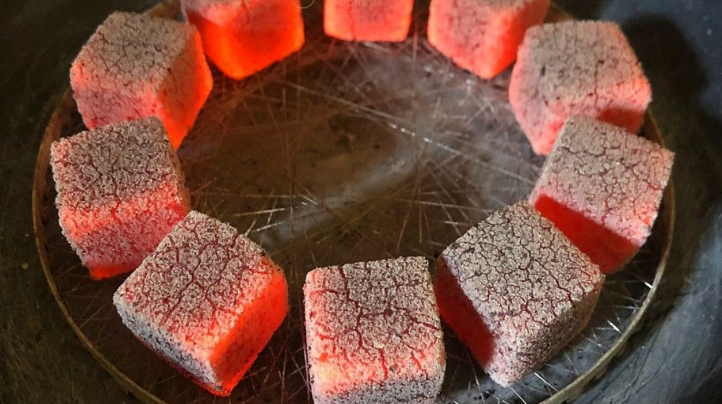
If you’re looking for high-quality briquettes, it’s essential to understand the criteria that define their quality. The quality criteria can impact the overall performance of the briquettes when used. Here’s a breakdown of the essential quality criteria to consider:
1. Calorific Value
The calorific value of briquettes refers to the amount of heat energy that they produce when burned. It’s an essential factor to consider, particularly if you’re using briquettes for heating or cooking. A higher calorific value indicates that the briquettes will produce more heat when burned, making them more efficient.
2. Moisture Content
The moisture content of briquettes is another key factor to consider. Briquettes with high moisture content can be challenging to ignite and may produce a lot of smoke. On the other hand, briquettes with low moisture content are easier to ignite and burn more efficiently. It’s recommended to choose briquettes with moisture content below 10%.
3. Ash Content
The ash content of briquettes refers to the amount of ash that remains after they have been burned. High-quality briquettes should have a lower ash content because it indicates that they have fewer impurities. Lower ash content also means that you will have less ash to clean up after using the briquettes.
4. Density
The density of briquettes refers to how compact they are. High-density briquettes burn slower and produce more heat while low-density briquettes burn faster and produce less heat. The density of briquettes can impact their overall performance, so it’s essential to choose the right density based on your specific needs.
By understanding these quality criteria, you can make an informed decision when choosing the right briquettes for your needs. Keep in mind that quality criteria can vary depending on the type of briquettes and their intended use.
Exploring Materials Used in Briquettes
When it comes to choosing the right briquettes, understanding the materials used in their production is crucial. Different materials offer varying benefits and drawbacks that can impact the performance and quality of your briquettes. Here, we’ll explore the most common materials used in briquettes.
1. Charcoal
Charcoal is a popular material for briquettes due to its high carbon content and low ash production. It burns hotter and cleaner than other materials, making it ideal for grilling and smoking. However, charcoal briquettes can be more expensive than other options and may not be as environmentally friendly.
2. Sawdust
Sawdust is a byproduct of wood manufacturing that can be repurposed into briquettes. It’s a cost-effective option and burns efficiently, producing a consistent heat. However, sawdust briquettes may produce more ash and smoke than other materials, which can impact their performance.
3. Wood Chips
Wood chips are another byproduct of wood manufacturing that can be used in briquettes. They offer a high calorific value and produce minimal ash, making them a popular choice for heating and cooking. However, wood chip briquettes can be more expensive than other options and may not be as widely available.
4. Agricultural Waste
Agricultural waste materials such as straw, corn husks, and coconut shells can also be used in briquettes. They offer a sustainable and cost-effective option for fuel and cooking. However, agricultural waste briquettes may require special equipment to burn efficiently and may not produce as much heat as other materials.
When choosing the right briquettes for your needs, consider the materials used in their production and how they will impact their performance and cost. With the right knowledge and understanding, you can find the perfect briquettes for your specific requirements.
Conclusion
In conclusion, finding high-quality briquettes requires a careful assessment of their quality criteria and knowledge of the different materials used to create them. When evaluating briquettes, consider factors such as their calorific value, moisture content, ash content, and density.
By following the guidelines outlined in this guide, you can find quality briquettes that meet your specific requirements and utilize them optimally for the best results. Whether you’re using briquettes for grilling, heating, or any other purpose, finding the right quality and type goes a long way in achieving your desired outcome.