Handmade Craft – As professional copywriting journalists, we are excited to take you on a journey to discover Indonesia’s rich tradition of handmade craft. In this article, we are going to explore some of the most famous Indonesian crafts that showcase the country’s unique artisanal treasures. From batik to wood carvings, silver jewelry to woven textiles, Indonesia boasts a vast array of crafts that are recognized and celebrated worldwide.
Indonesian handmade craft has a long history that dates back centuries. The country’s diverse cultural heritage has contributed to the development of different crafts, each with its own unique style and technique. The crafts have become an integral part of Indonesia’s cultural identity, representing the country’s rich history, traditions, and values.
We have curated a list of 10 famous Indonesian crafts that we believe embody the essence of Indonesian handmade craft. Join us as we explore the intricate details and beauty of these crafts that have made them famous all over the world.
Get ready to be mesmerized by the art of batik, the precision of wood carvings, the elegance of silver jewelry, the vibrancy of batik clothing, the uniqueness of traditional ceramics, and the richness of woven textiles. Let’s discover the charm and allure of famous Indonesian craft together!
1. The Art of Batik
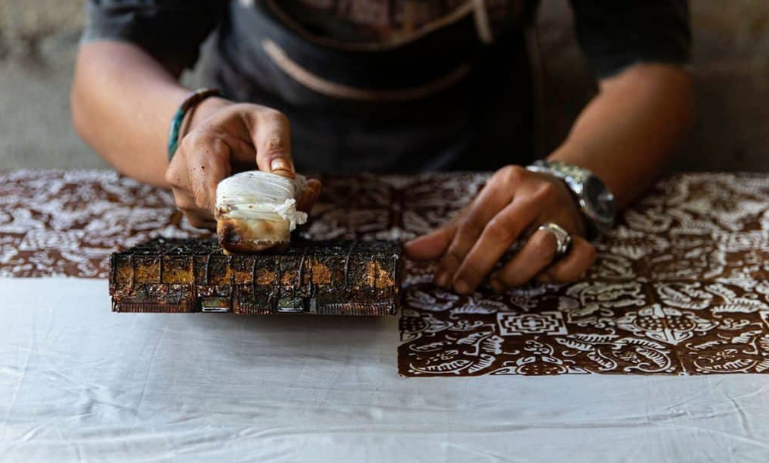
When it comes to Indonesian handmade craft, batik is one of the most iconic. This traditional textile art has been passed down through generations and is still celebrated today for its beauty and intricate designs.
The traditional batik technique involves applying hot wax onto fabric before dyeing it. The wax creates a barrier that prevents the dye from reaching certain areas, resulting in unique and stunning patterns. This technique has evolved over time, and today, batik has become a form of art that is recognized and celebrated worldwide.
At the heart of batik is the concept of storytelling through patterns. The motifs used in batik communicate different meanings and beliefs and are deeply rooted in Indonesian culture. From geometric shapes to floral designs, each pattern tells a story and represents a part of Indonesia’s rich history.
2. Intricate Wood Carvings
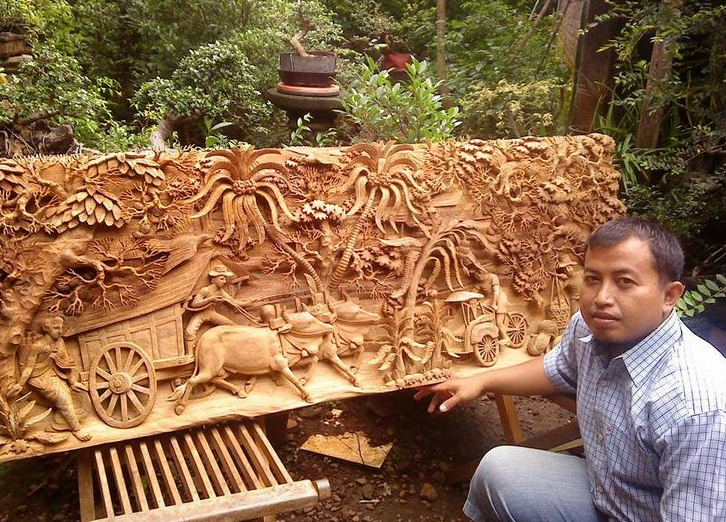
Woodworking has been a traditional craft in Indonesia for centuries. Indonesia’s skilled artisans have long been recognized for their intricate wood carvings, which continue to captivate and inspire people from all over the world.
Indonesian wood carvings are made using traditional woodworking techniques that have been passed down through generations. These techniques require skill and precision, and they are used to create stunning pieces of art that showcase the country’s unique artisanal treasures.
One of the most popular forms of Indonesian wood carvings is the “wayang,” a traditional puppet that is used in traditional performances to tell stories. These puppets are carved out of wood and painted with bright colors and intricate designs, making them a true work of art.
Another popular form of Indonesian wood carvings is the “pusaka,” which is a decorative item that is often found in Indonesian homes. These carvings are made using a variety of techniques, including relief carving, which creates a 3D effect, and incised carving, which creates intricate patterns and designs.
Indonesian wood carvings are also used to create furniture, such as chairs, tables, and cabinets. These pieces are often made from teak wood, which is known for its durability and beauty.
Overall, Indonesian wood carvings showcase the skill and artistry of the country’s talented artisans. These unique pieces of art continue to be cherished and celebrated around the world.
3. Exquisite Silver Jewelry
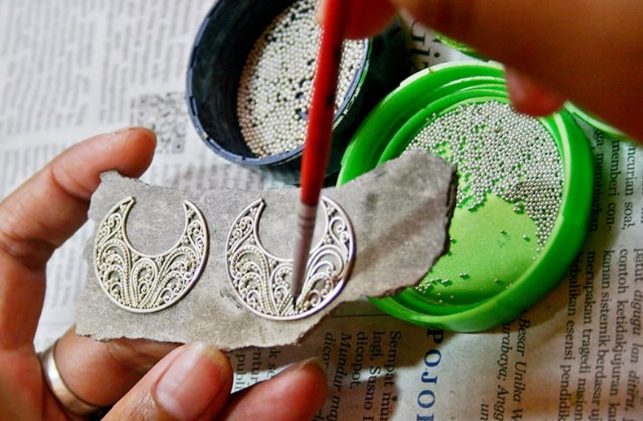
Indonesia is a treasure trove of exquisite silver jewelry. The intricate designs and impeccable craftsmanship of traditional silverwork are awe-inspiring. Indonesian silver jewelry is made using techniques that have been passed down through generations of skilled artisans.
One of the most popular types of silver jewelry is filigree. This delicate form of silverwork involves twisting and curling thin silver wires into intricate patterns and shapes. Another unique type of Indonesian silver jewelry is the Javanese keraton style, featuring intricate carvings and precious gemstones.
The town of Celuk, located in Bali, is renowned for its silver jewelry production. The town is home to many talented silversmiths who create stunning pieces using traditional methods. It is a must-visit destination for any jewelry lover.
Indonesian silver jewelry is not only beautiful but also carries cultural significance. Traditional designs are often inspired by nature and folklore, reflecting the country’s rich history and traditions.
4. The Colorful World of Indonesian Batik Clothing
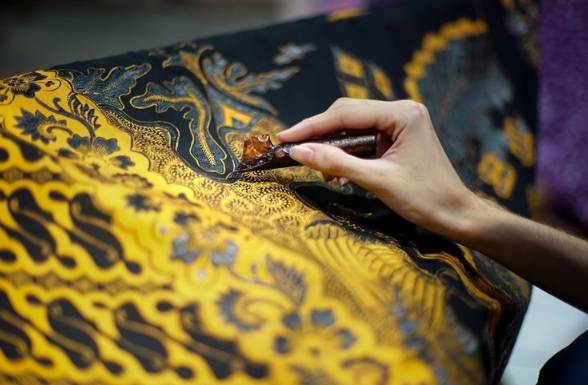
When it comes to traditional textile art, Indonesian batik clothing is among the most recognizable and beloved in the world. The beauty of batik lies in the intricate patterns and vibrant colors that are produced through a careful wax-resist dyeing process.
The process of creating batik clothing involves a skilled artisan drawing patterns onto the fabric with hot wax. Once the wax has dried, the fabric is dipped into a dye bath. The areas covered by the wax resist the dye, while the uncovered areas absorb it. The wax is then removed to reveal the intricate design, which can feature anything from flowers and animals to geometric shapes and abstract patterns.
Batik clothing is not only beautiful but also holds significant cultural meaning in Indonesia. The intricate patterns and motifs used in batik often have symbolic meanings and are representative of different regions and communities. They can be worn for everything from everyday wear to formal occasions and celebrations.
While batik has been produced in Indonesia for centuries, it has evolved over time to incorporate new techniques and styles. Today, modern batik clothing can be found with a range of designs, from traditional to contemporary, and has become popular around the world as a unique and stylish form of fashion.
Whether you’re looking for a bold statement piece or a subtle touch of Indonesian culture, batik clothing offers something for everyone. So next time you’re looking to add some color and vibrancy to your wardrobe, consider incorporating the beautiful art of Indonesian batik into your style.
5. Traditional Indonesian Ceramics
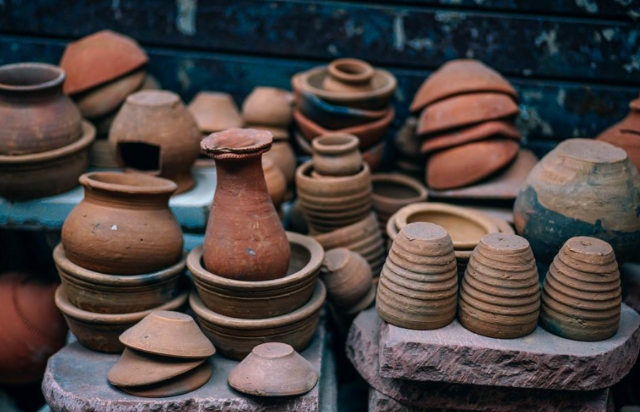
Indonesia’s tradition of handmade pottery is as rich and diverse as the country itself. These ceramics are crafted by skilled artisans who use age-old techniques passed down through generations.
The beauty of Indonesian ceramics lies in their unique designs and glazes that make each piece one-of-a-kind. From simple, functional pieces to intricate decorative ones, these ceramics are a testament to the artistry and craftsmanship of their creators.
At the heart of this craft is the art of handmade pottery, where clay is molded and shaped by hand before being fired in kilns. The result is a sturdy, long-lasting product that showcases the skill and precision required to create it.
Indonesian ceramics range from rustic and earthy to delicate and ornate. Some pieces are adorned with intricate patterns, while others feature beautifully textured surfaces. The glazes used in this craft are also noteworthy, with colors ranging from muted, earthy tones to vibrant, eye-catching hues.
These ceramics are not only beautiful but also practical, with many pieces serving both decorative and functional purposes. From plates and bowls to vases and figurines, there is no shortage of options when it comes to Indonesian ceramics.
Whether you’re a collector or simply appreciate the artistry behind handmade pottery, Indonesian ceramics are sure to captivate and inspire.
6. Woven Textiles

One of Indonesia’s most impressive traditions is the intricate art of weaving textiles. The country is renowned for producing beautiful fabrics, woven with vibrant colors and complex patterns.
Through the use of traditional weaving techniques, communities across Indonesia have been creating textiles for centuries. Each region of the country has its unique style, with patterns and motifs that tell stories of local culture and history.
The process of creating woven textiles is highly skilled, with meticulous attention to detail. It requires patience, focus, and a deep understanding of the materials being used. The weavers use natural fibers like cotton, silk, and wool, which are carefully dyed in a range of vibrant hues to create intricate designs.
“Indonesian woven textiles are not just a form of art, but they also carry cultural significance. They are used in ceremonies and celebrations, and the patterns often have symbolic meanings.”
Woven textiles are a crucial part of Indonesian culture, and their creation is a communal effort that brings people together. The skills and techniques required are passed down through generations, ensuring the continuation of this beautiful tradition.
Today, Indonesian woven textiles are highly sought after around the world, prized for their unique beauty and cultural significance. They are a testament to the intricate artistry and rich cultural heritage of Indonesia.
Conclusion
We had a great time exploring Indonesia’s rich tradition of handmade crafts with you. From the intricate wood carvings to the vibrant batik clothing, each craft showcases the skill and creativity of Indonesian artisans.
It’s amazing to see how these traditional techniques have evolved into forms of art that are celebrated and recognized worldwide. The cultural significance and beauty of each craft are truly unique, making them valuable as both decorative pieces and cultural artifacts.
We encourage you to continue exploring Indonesian handmade crafts and supporting the communities behind their creation. By doing so, we can help preserve these cultural treasures for future generations to appreciate and enjoy.