
The Most Profitable Agricultural Crop – In the vast landscape of agriculture, farmers are constantly on the lookout for the golden crop, the one that not only nurtures the soil but also fills their pockets. Join us on this journey as we explore the world of agriculture and unveil the secrets behind the most profitable agricultural crop.
The Quest for Profitability
In the heart of every farmer lies the quest for profitability. Agriculture isn’t just about cultivating crops; it’s about making the land work for you. But with countless options available, how does one discern the most profitable agricultural crop? Buckle up; we’re about to find out.
Understanding Profitability in Agriculture
Profitability in agriculture isn’t just about the cash at harvest time. It’s a nuanced dance between input costs, market demand, and environmental factors. The most profitable crop isn’t always the one with the highest market price; it’s the one that balances these elements in harmony.
Factors Influencing Profitability
1. Market Demand and Trends
Picture this: a crop in high demand, where consumers are willing to pay a premium. The most profitable agricultural crop rides on the coattails of market trends. Be it the surge in superfoods or the demand for organic produce, aligning with market needs is key.
2. Climate and Soil Suitability
Agriculture is a marriage between the land and the weather. The most profitable crops are those that thrive in specific climates and soil conditions. Understanding your land and its capabilities is like holding the ace in a game of cards.
3. Technological Advancements
In the 21st century, agriculture isn’t immune to the digital wave. Precision farming, drones, and smart irrigation systems have transformed the way crops are grown. The most profitable agricultural crop embraces technology, reducing costs and increasing yields.
Exploring the The Most Profitable Agricultural Crop
Now that we’ve set the stage, let’s roll out the contenders for the title of the most profitable agricultural crop.
1. Saffron – The Red Gold

Known as the red gold, saffron is a spice that transcends culinary borders, reaching the status of a lucrative crop. Saffron’s allure lies not only in its rich flavor but also in its high market price, making it a beacon for farmers in search of profitability. Cultivating saffron, however, is not a venture to be undertaken lightly. This scarlet treasure demands specific conditions for optimal growth, including well-drained soil, a dry climate, and meticulous attention to detail.
Saffron’s journey from flower to spice is a delicate dance. Each Crocus sativus flower produces only three red stigmas, which are hand-harvested with precision. The labor-intensive process contributes to the spice’s high market value. Successful saffron farming requires a marriage of traditional cultivation practices and modern technology. Farmers like Joe, who cracked the code, often invest in soil testing, irrigation systems, and climate monitoring to ensure a bountiful harvest.
For those who embrace the challenge, the rewards are significant. Joe’s Saffron Fields, for instance, has not only become a local success story but has also tapped into international markets, providing a steady income and putting saffron on the global map.
2. Bamboo – Green, Tall, and Profitable
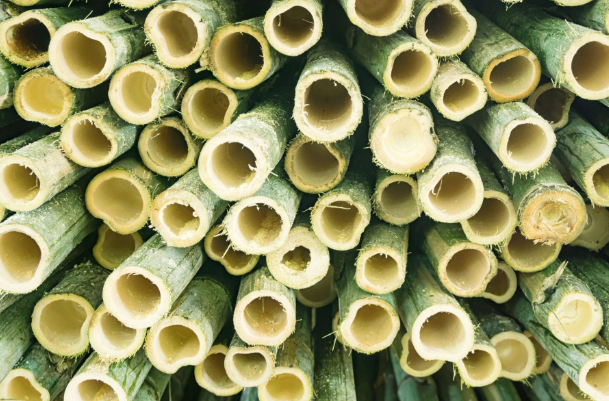
Shift your gaze from traditional crops, and the lush green world of bamboo unfolds. This versatile plant isn’t just a swaying spectacle; it’s a treasure trove of opportunities for farmers seeking profitability. The beauty of bamboo lies not only in its visual appeal but also in its adaptability to a variety of climates and soil types.
Bamboo’s applications extend far beyond the realm of traditional agriculture. Its rapid growth, often surpassing that of hardwoods, provides a quick turnaround for farmers. From construction to textiles, bamboo has woven itself into the fabric of various industries. Emily’s Bamboo Oasis is a testament to this versatility. By cultivating bamboo, Emily not only contributes to sustainable practices but has also diversified her income streams.
Successful bamboo farming requires understanding the different species, their growth patterns, and the specific applications each offers. Some varieties are ideal for construction materials, while others find their niche in the textile industry. By tapping into this green, tall, and profitable resource, farmers can not only benefit financially but also contribute to eco-friendly practices.
3. Medicinal Herbs – A Prescription for Profit

In a world increasingly inclined towards natural remedies, cultivating medicinal herbs has emerged as a prescription for profitability in agriculture. From the soothing aroma of lavender to the vitality of ginseng, these herbs have found their place in the sun, not just for their therapeutic properties but also as a lucrative venture for farmers.
Identifying the right herbs to cultivate is the key to success in medicinal herb farming. Market trends and consumer preferences play a crucial role in deciding which herbs are in demand. For example, the rising interest in herbal teas and wellness products has increased the demand for herbs like chamomile, peppermint, and echinacea.
Understanding the growth requirements of each herb is equally vital. Medicinal herbs often thrive in specific soil conditions and climates. Sam’s Medicinal Garden, for instance, has become a local hub for organic herbs by carefully curating a variety that suits the regional climate.
Moreover, partnerships with local health stores, herbalists, and wellness brands can open avenues for distribution and sales. Medicinal herb farming isn’t just about cultivating plants; it’s about connecting with a growing market that values natural health solutions. As the demand for holistic well-being continues to rise, medicinal herb farming proves to be a prescription not just for profit but also for promoting a healthier lifestyle.
The Success Stories
Let’s take a moment to delve into the success stories of farmers who have cracked the code to cultivating the most profitable agricultural crops.
1. Joe’s Saffron Fields
Meet Joe, a farmer who transformed his arid land into a saffron haven. With meticulous planning, soil testing, and embracing technology, Joe now supplies high-quality saffron to a market eager for this exotic spice.
2. Emily’s Bamboo Oasis
Emily, a forward-thinking farmer, shifted her focus from conventional crops to bamboo. Partnering with local artisans, she not only contributes to sustainable practices but also enjoys the financial rewards of this versatile green gold.
3. Sam’s Medicinal Garden
Sam, an advocate for natural healing, ventured into cultivating medicinal herbs. By staying abreast of health trends and collaborating with local health stores, Sam’s medicinal garden has become a go-to source for organic herbs, making a mark in the industry.
Conclusion
The journey to find the most profitable agricultural crop is akin to a treasure hunt. It’s about understanding your land, adapting to market trends, and sometimes, thinking outside the traditional crop box. Whether it’s the mystique of saffron, the versatility of bamboo, or the healing touch of medicinal herbs, the key lies in finding the perfect match for your farm.
As we close the curtain on this exploration, remember that the most profitable agricultural crop isn’t a one-size-fits-all. It’s a marriage between your land, your skills, and the ever-evolving demands of the market. So, put on your farming hat, embrace the green journey, and let the profits bloom!